For whole-home smart lighting during renovation, the most durable plan is usually a hybrid: use smart dimmers or switches for the main fixed lighting circuits, use smart bulbs where individual color, tunable white, or per-lamp control matters, and use in-wall relay or dimmer modules where the fixture or wall layout calls for them. A full rewire is the right time to make the physical controls dependable first, then add automation around them.
Do not choose an architecture solely by app features. The important questions are whether lights still work from familiar wall controls, whether the system can operate locally when the internet is unavailable, whether the chosen fixtures dim well, and whether the wiring supports future changes. Once walls are closed, changing a control plan is usually more disruptive than changing a bulb or sensor.
The short comparison
| Approach | What becomes smart | Strongest use | Main limitation |
|---|---|---|---|
| Smart bulbs | Each lamp, bulb, or smart fixture | Color, tunable white, decorative lamps, individual control | The bulb needs continuous power; ordinary wall switching can make it unavailable |
| Smart switches and dimmers | The circuit at the wall | Main ceiling lighting, grouped downlights, everyday rooms | One control generally affects every fixture on that circuit in the same way |
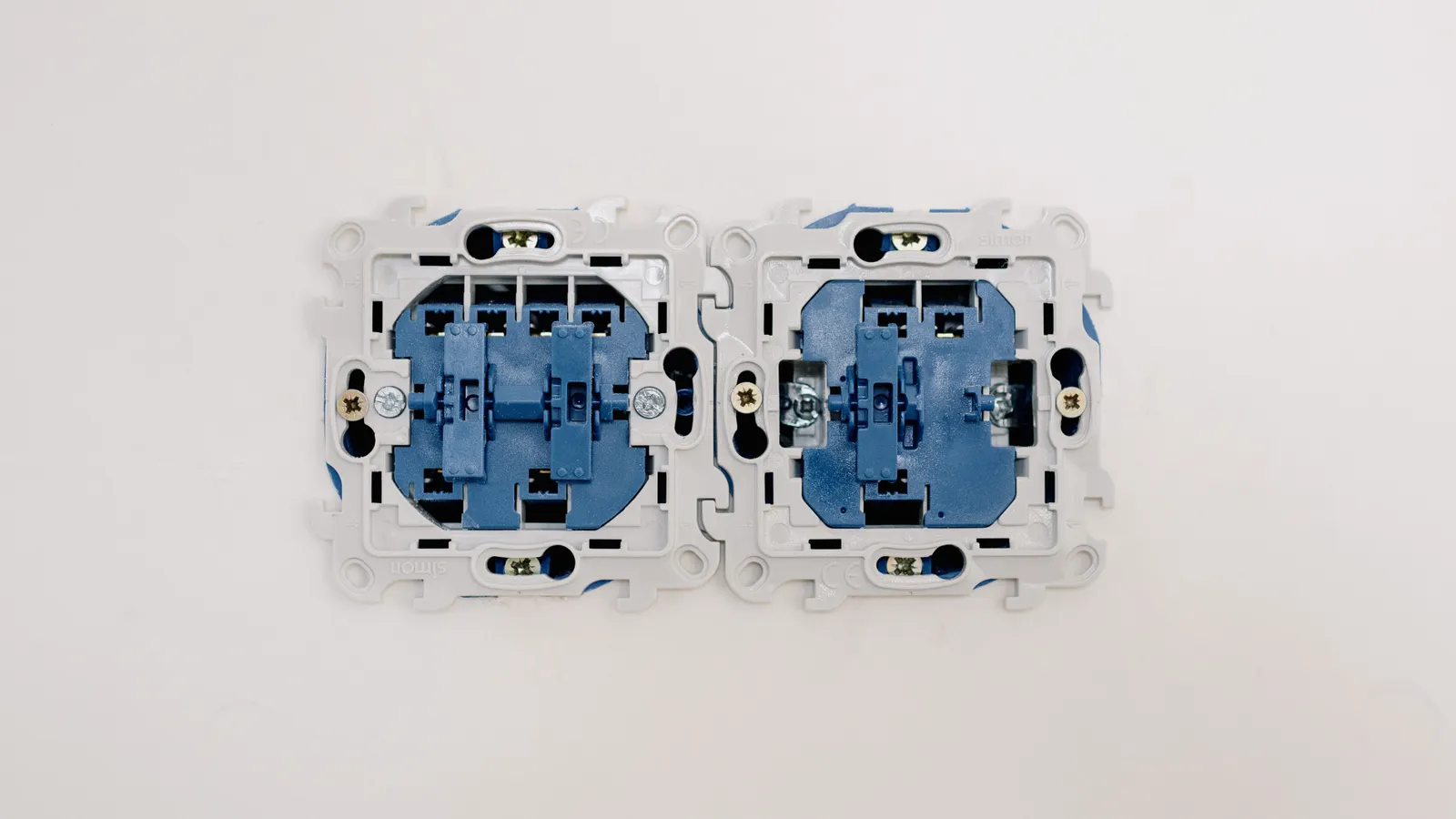
| In-wall relay or dimmer modules | The circuit inside a wall box, ceiling void, or accessible enclosure | Retaining a preferred switch style, awkward switch locations, some specialized circuits | Requires careful compatibility, accessible placement, and professional installation planning |
| Hybrid system | Different layers according to use | Most renovated homes | Requires a written control plan so the system does not become confusing |
A smart bulb system can be bright enough for an entire home, but brightness is not its main limitation. The more important issue is control. A kitchen with many recessed lights may be better served by a single well-matched smart dimmer controlling the circuit, while a bedside table lamp may benefit from a smart bulb that can shift to a warm, low night setting.
Start with lighting layers, not device types
Before deciding between smart switches vs smart bulbs, list every lighting layer in each room:
- General lighting: ceiling fixtures, recessed downlights, track lighting, or other broad room lighting.
- Task lighting: kitchen counter lighting, reading lamps, vanity lighting, desk lighting, and workshop lighting.
- Accent lighting: shelves, art lights, wall washing, cabinet interiors, and decorative lamps.
- Navigation and safety lighting: hallways, stairs, closets, entries, and low-level night lighting.
Then identify what each layer needs to do. A ceiling circuit may only need reliable on/off and dimming. Under-cabinet lighting may need a separate evening setting. A bedroom lamp may need warm dimming and individual bedside control. A hallway may benefit more from occupancy-based automation than from color-changing bulbs.
This distinction prevents a common renovation mistake: buying smart bulbs for every socket when many circuits only need simple, robust dimming.
Smart bulbs: best where the fixture itself needs to be intelligent
Smart bulbs and smart fixtures are useful when each light needs its own behavior. They can provide adjustable color temperature, color effects where wanted, individual dimming, and scene control even when several lamps share one switched outlet or circuit.
They are particularly suitable for:
- Table and floor lamps in living rooms and bedrooms.
- Bedside lamps that need separate left and right control.
- Decorative pendants where individual lamps form part of a scene.
- Accent lighting, display cabinets, and occasional color lighting.
- Fixtures where changing the wall circuit is impractical but continuous power can be maintained.
The key practical rule is simple: a smart bulb needs power to remain reachable by its wireless system. If someone turns off the ordinary wall switch, the bulb cannot respond to an app, sensor, voice command, or automation until power is restored.
That does not mean smart bulbs require app-only control. A well-planned system can pair them with wireless wall remotes, scene keypads, or switch interfaces that leave power available while giving people a familiar button to press. But that arrangement must be intentional. A standard toggle switch beside a group of smart bulbs is likely to be used as a standard toggle switch.
For a whole house, also consider maintenance. Each smart bulb is a separate electronic device with its own wireless connection and eventual replacement cycle. That can be reasonable in a few high-value locations, but less attractive for a large bank of identical recessed lights.
Are smart bulbs bright enough for general lighting?
They can be, provided the selected bulb or fixture has suitable light output, beam distribution, color quality, and dimming behavior for the location. Do not assume that a smart bulb and a conventional bulb with similar stated output will make a room feel identical. Fixture shades, recessed housings, beam angles, ceiling height, wall colors, and the number of light sources all affect the result.
For renovation planning, choose the required lighting effect first. Then confirm that the available smart bulb or smart fixture format can provide it. This is especially important for recessed lights, narrow-beam lamps, enclosed fixtures, and fittings with integrated LEDs. See our guide to integrated LED versus replaceable bulb fixtures before assuming a bulb can be swapped later.
Smart switches and dimmers: best for ordinary daily use
Smart switches and dimmers make the circuit smart rather than the individual lamp. They preserve the familiar behavior of a wall control: press or tap it and the room lighting responds. They can also support schedules, scenes, remote control, occupancy sensors, and automations, depending on the system.
For most fixed general lighting, this is the simplest whole-home approach. One dimmer can control a coordinated group of recessed lights, a ceiling fixture, or several fixtures in the same zone. Anyone entering the room can use it without learning an app.
Smart dimmers are often a strong choice for:
- Kitchen ceiling lighting and pendants grouped by function.
- Living room downlights, wall lights, and fixed lamps on switched outlets.
- Hallways, stair landings, and entries.
- Bedrooms with a main ceiling fixture or a simple fixed lighting zone.
- Utility spaces where dependable wall control matters more than scenes.
Their limitation is that fixtures on one circuit normally behave together. A smart dimmer cannot make one recessed light warm and another cool, or leave one pendant on while turning the rest off, unless the wiring separates those loads or the fixtures themselves have independent smart control.
Dimming compatibility matters more than the word “smart”
A smart dimmer must be compatible with the connected load and fixture driver. LED dimming problems can include flicker, audible noise, a restricted dimming range, lights that do not turn fully off, or lights that jump in brightness. The fixture, lamp, driver, and dimmer all matter.
Before finalizing a room plan, ask the electrician and fixture supplier to confirm the intended dimming arrangement. If you are using recessed LEDs, our guide to recessed lights that dim low explains why low-level performance is worth considering before purchase.
In-wall relay and dimmer modules: flexible, but not automatically simpler
In-wall smart modules are compact devices installed behind a switch, at a fixture connection point, or in another suitable accessible enclosure. A relay module usually switches a load on and off. A dimmer module adjusts compatible dimmable lighting. Some modules can work with conventional momentary switches, retractive switches, or selected existing switch styles.
They can be useful when you want the visible wall controls to remain visually simple or match a particular design. They may also help when a room needs several scene buttons rather than a bank of conventional switches.
Modules are worth considering for:
- A living room with multiple lighting layers but limited wall-box space.
- A renovation where you want matching decorative switches throughout the house.
- Locations where a traditional smart dimmer does not suit the desired control layout.
- Selected non-dimming circuits that need automation but not a new visible switch style.
Their main drawback is that they are hidden electrical equipment. Future access, heat management, load compatibility, wireless signal quality, and fault-finding all deserve more thought than with a conventional wall dimmer. A module buried where it cannot be safely accessed later is a poor long-term service decision.
Do not assume every module works with every switch type, LED driver, fan, motor, or low-voltage lighting transformer. Have a qualified electrician verify the selected equipment, its installation location, and current local requirements. Modules should not be treated as a universal answer for every circuit.
Plan for local control and internet outages
“Smart lighting without cloud dependency” can mean different things. A light may continue to work manually from its wall switch, while app control and automations stop if an internet service is unavailable. Another system may keep its hub, switches, sensors, and automations working inside the home without internet access. A third may depend heavily on remote servers for setup or operation.
For a renovation-scale system, separate these questions:
- Can the light be operated manually at the wall?
- Do local switches, sensors, and keypads keep working if broadband fails?
- Can scheduled and sensor-based automations run locally?
- Is a vendor account or cloud service required for ordinary operation?
- If a hub fails, what remains usable?
A good baseline is that every regularly used room should retain clear local control. Phone control is useful, but it should not be the only practical way to turn on the kitchen lights or dim a bedroom at night.
Wiring choices to make before walls are closed
A smart lighting rewiring plan should document control locations and lighting circuits before devices are selected. It is easier to adapt a well-planned circuit to a different smart platform later than to add missing conductors or split an overloaded lighting zone after finishes are complete.
Discuss these points with your electrician during design:
- Neutral availability at control locations. Many smart controls need a neutral conductor, while some are designed to work without one. Do not assume existing switch boxes have the conductors required for your chosen devices. Read more in Why Do Light Switches Need a Neutral Wire?.
- Box depth and space. Smart dimmers and modules can be larger than standard mechanical switches, and crowded boxes make installation and future servicing harder.
- Circuit separation. Separate layers that you may want to control differently: kitchen downlights, pendants, under-cabinet lighting, wall lights, and display lighting often deserve separate circuits or control zones.
- Control points. Decide where someone naturally expects to control the room: at each entrance, beside beds, near a patio door, and at the top and bottom of stairs.
- Multiway switching. Hallways, stairs, and large rooms may have more than one control location. Confirm how the chosen controls support those locations before wiring is finalized.
- Future low-voltage and network needs. Some hubs, panels, gateways, sensors, and keypads may benefit from planned power or network access, even if the lighting devices themselves use wireless communication.
- Accessible equipment locations. If modules, drivers, or power supplies are concealed, plan a safe and serviceable access route.
Exact wiring methods, box-fill limits, protection requirements, wet-location rules, fire-rated assemblies, and permitted installation locations vary by equipment and jurisdiction. A qualified electrician should design and install the electrical work in line with current local rules and manufacturer instructions.
Room-by-room control choices
Kitchen
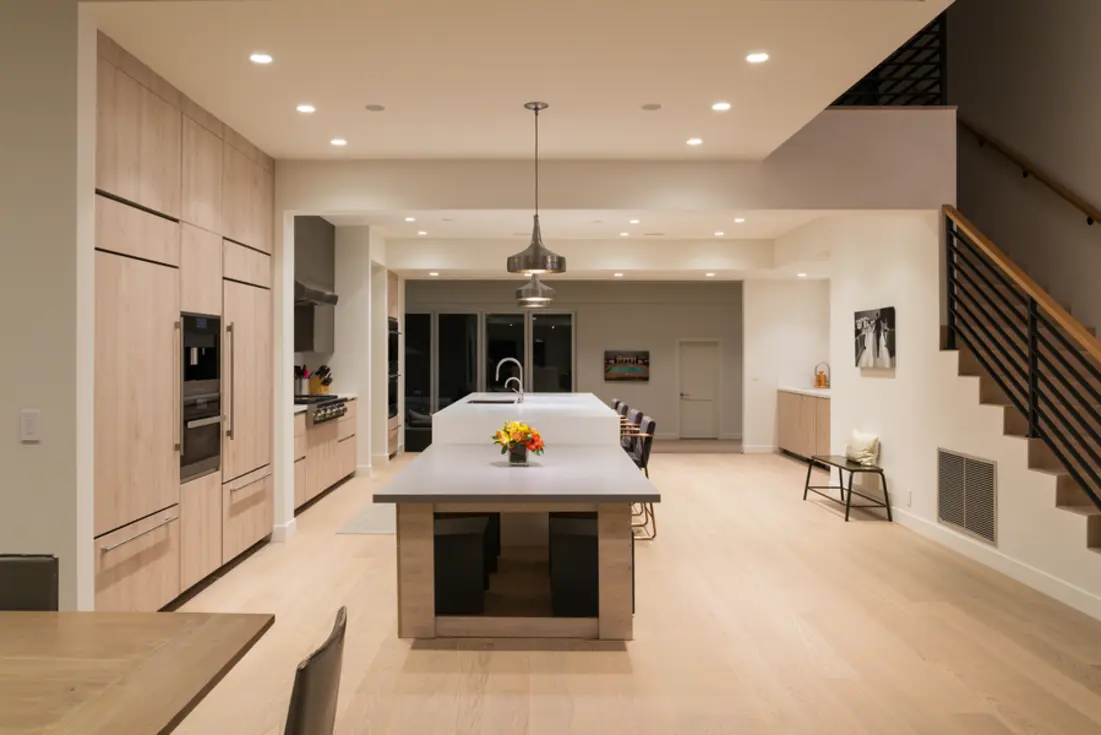
Use smart dimmers or switches for general ceiling lighting and pendants when the fixtures should operate together. Keep under-cabinet lighting separate so it can be used as task light in the morning or low-level evening light after the main lights are dimmed. Smart bulbs are usually more valuable in decorative fixtures than in a large run of functional downlights.
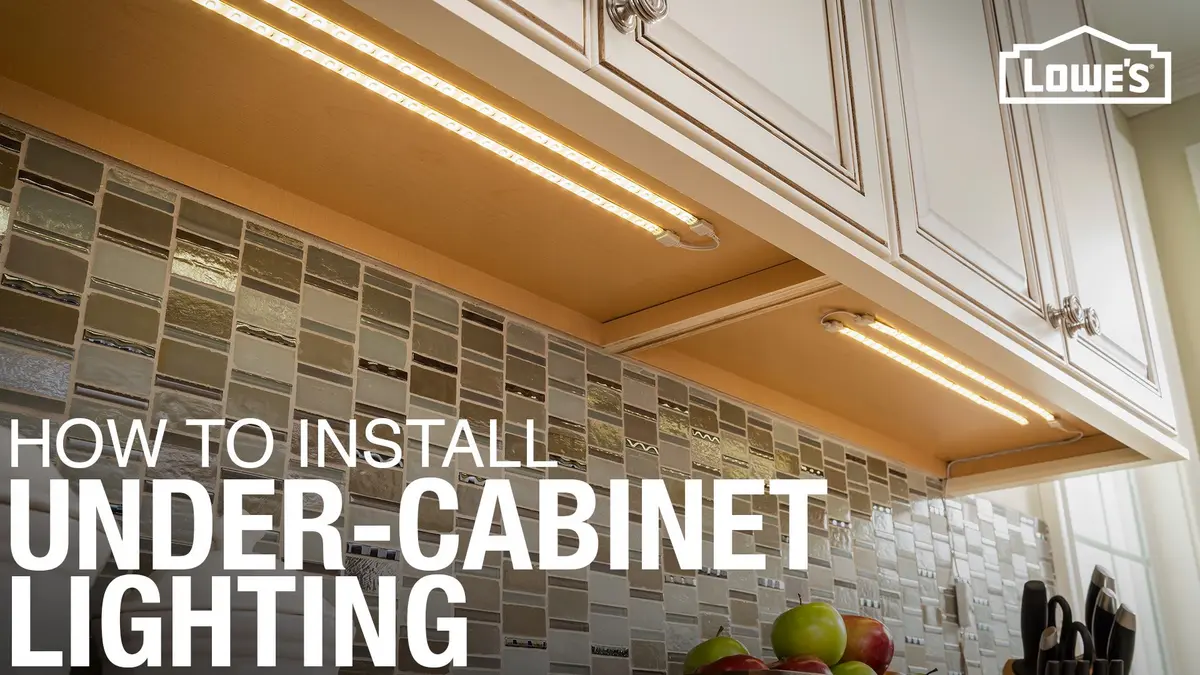
If under-cabinet lighting is part of the renovation, plan its driver and controls early. See under-cabinet lighting installation for the practical issues that affect placement and service access.
Living room
A hybrid plan is often strongest here. Use smart dimmers for fixed ambient lighting, and smart bulbs or plug-in controls for floor lamps and table lamps. Create a few useful scenes, such as everyday, reading, and low-light evening, but retain straightforward wall controls for guests and daily use.
Avoid putting every decorative lamp and ceiling light on one master scene if the room has distinct activities. Reading near a chair and watching a film usually need different light distribution, not merely a lower dimming level.
Bedroom
Prioritize bedside usability. A main ceiling circuit can use a smart dimmer, while bedside lamps may use smart bulbs or plug-in controls for independent warm, low-level settings. Provide a simple local way to turn the main room lighting off from the bed if that suits the layout.
Complex color scenes are optional. Reliable low-level light, a calm evening setting, and an easy path to full brightness are more useful over time.
Hallway and stairs
These are strong candidates for smart switches, dimmers, sensors, or automation because the goal is predictable navigation. Use lighting zones that correspond to movement through the home, not just the electrical drawing. A hall light that is activated from both ends is more useful than a sophisticated scene that only works from one app.
For motion and occupancy planning, see where to put motion sensor lights.
A practical hybrid specification
For many full rewires, the following is a sensible starting framework:
- Smart dimmers for principal ceiling circuits and fixed general lighting.
- Separate circuits for lighting layers that serve different tasks.
- Smart bulbs for bedside lamps, decorative lamps, selected pendants, and accent lighting where color temperature or individual control adds real value.
- Local wall controls at every ordinary entry point.
- Sensors in circulation spaces where automatic light is genuinely helpful.
- A hub or control architecture that can keep essential local controls working without relying entirely on an internet connection.
- Documented device names, circuit names, room scenes, and backup instructions for future maintenance.
The final choice does not need to be one ecosystem or one device type throughout the house. Consistency in wall-control behavior matters more than forcing every fixture into the same technical category.
Common mistakes during a smart-lighting renovation
Treating every bulb as a smart-bulb candidate
Smart bulbs are most useful when their individual intelligence changes the experience. They are less compelling when a whole circuit should simply dim together.
Leaving ordinary switches in control of smart bulbs
If a standard switch cuts power to a smart bulb, the bulb loses its smart functions until power returns. Plan a compatible wall interface instead of relying on household members to remember not to use the switch.
Combining too many lighting layers on one circuit
A kitchen’s downlights, pendants, and under-cabinet lighting rarely need the same level at the same time. Separating them during a rewire adds flexibility that software cannot fully recreate later.
Choosing fixtures before confirming dimmer compatibility
The visible fixture is only part of the system. Check the lamp or LED driver, intended dimmer, and desired low-end performance together.
Making the app the only control method
A smart home should remain understandable when a guest, child, cleaner, or future owner walks into a room. Wall controls should still communicate what they do.
Hiding serviceable components without an access plan
Drivers, modules, and hubs can eventually need replacement or troubleshooting. Keep equipment locations documented and accessible in a way that complies with local requirements.
The decision to make before electrical rough-in
Choose smart bulbs when individual lamps need individual behavior. Choose smart switches or dimmers when a whole fixed lighting zone should work simply and reliably from the wall. Choose in-wall modules when the visible control design or circuit arrangement makes them genuinely useful and their installation can remain accessible and compatible.
For most homes, a hybrid system provides the best balance: conventional-feeling wall control for the lighting people use every day, with smart bulbs and scenes reserved for the places where they create a clear improvement. During a full rewire, invest the planning effort in circuit separation, switch locations, neutral availability, fixture compatibility, and local control. Those decisions will shape the home’s lighting usability long after any particular app or smart bulb has been replaced.
References
- Whole-home smart lighting recommendations : r/smarthome. (n.d.). https://www.reddit.com/r/smarthome/comments/ml7ckh/wholehome_smart_lighting_recommendations
- Ein Beispiel für eine funktionierende Komplettsanierung der Beleuchtung im ganzen Haus – SENIC. (n.d.). https://www.senic.com/blogs/magazine/whole-home-lighting-retrofit-example
- Whole Home Lighting Recommendation - Hardware. (n.d.). https://community.home-assistant.io/t/whole-home-lighting-recommendation/738363
- Philips Hue Vs Govee Vs Wiz (2026): Best Smart Bulb Ecosystem For Whole‑Home Lighting. (n.d.). https://smarthomemuse.com/philips-hue-vs-govee-vs-wiz-best-smart-bulb-ecosystem-2026
- Smart Lighting Installation for Marin Homes – Towery Electric. (n.d.). https://toweryelectric.com/smart-lighting-installation
- Home renovation smart lighting ideas?? : r/homeautomation - Reddit. (n.d.). https://www.reddit.com/r/homeautomation/comments/19ejdih/home_renovation_smart_lighting_ideas
- Smart Home Lighting Design Explained | Wellness, Atmosphere & Control. (n.d.). https://www.youtube.com/watch?v=mJ3S4NkMb-w
- The Best Smart Lighting Solutions for Your Home : Complete 2026 Guide. (n.d.). https://digitalholics.com/the-best-smart-lighting-solutions-for-your-home