If LED light feels flickery, harsh, overly bright, or visually tiring, a remodel does not have to commit you to integrated LED fixtures. The most practical non-LED lighting options for home use are still incandescent and halogen lamps in fixtures with replaceable bulbs. Fluorescent lighting remains possible in limited applications, but its ballast, lamp availability, color quality, and mercury-containing lamps make it a less appealing whole-home choice.
For a long-term remodel, the most useful decision is often not simply choosing a bulb technology. Specify fixtures with standard, accessible, replaceable lamps wherever possible. That preserves the ability to use incandescent or halogen lamps where available, test different lamp types, and change course later without replacing the fixture itself.
Start with the source of the discomfort
“LED sensitivity” can describe several different experiences, and the right response depends on which one you have.
- Visible flicker or a strobing sensation: This may come from the lamp driver, dimmer compatibility, or electrical disturbance rather than LED technology alone.
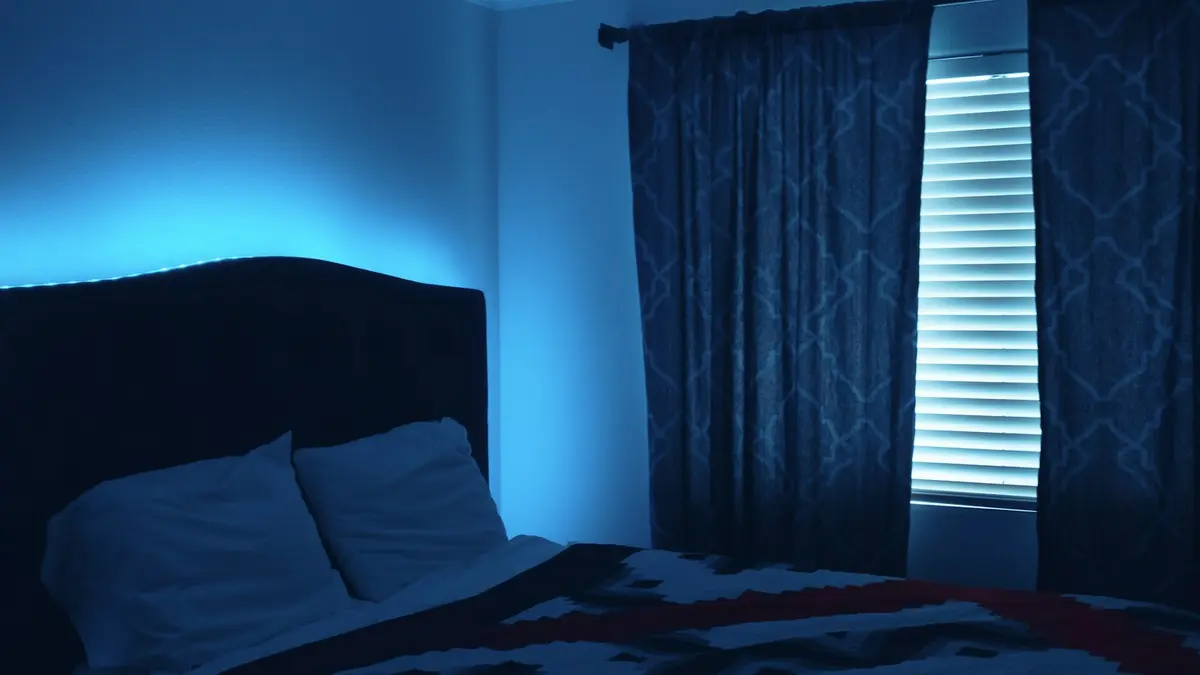
- Eye strain, headaches, or visual fatigue: Brightness, glare, contrast, color temperature, and the position of the light source can all contribute.
- Discomfort under cool-white lighting: A warmer source and better-shaded fixture may help, whether the source is LED or not.
- A dislike of the appearance of LED light: Incandescent and halogen usually provide a familiar continuous-spectrum appearance and smooth dimming behavior.
It is reasonable to avoid LEDs if they consistently cause discomfort. But do not assume every uncomfortable room is caused only by the source type. A bare bulb over a glossy counter, a high-output downlight aimed into sightlines, or a poorly matched dimmer can make any lighting system unpleasant.
If light sensitivity is new, severe, or accompanied by headaches, visual changes, or migraine symptoms, discuss it with an appropriate health professional. Lighting changes can reduce triggers, but they do not identify the underlying cause.
The realistic non-LED choices
Incandescent: the simplest familiar option
Traditional incandescent lamps produce light from a heated filament. They are generally valued by sensitive users because they dim smoothly, have no electronic driver, and produce warm light with very good color rendering.
For a remodel, incandescent lamps are most practical in:
- Table and floor lamps
- Decorative pendants and chandeliers
- Wall sconces
- Bedrooms and living rooms
- Low-use closets, halls, and accent lighting
- Some outdoor decorative fixtures, if the lamp and fixture are rated for the location
The main tradeoff is energy use. Incandescent lamps convert much of their input energy into heat, so they are inefficient compared with LED lighting. They also have a relatively short service life and can be difficult to find in ordinary general-service forms, depending on the lamp type and where you live.
Availability matters. Rules affecting general-service lamps vary by jurisdiction and have changed over time. Specialty incandescent lamps, decorative shapes, appliance lamps, three-way lamps, and other exempt categories may be easier to find than standard household bulbs, but do not design an entire house around an assumed lamp supply. Confirm that suitable replacement lamps are locally available before finalizing fixture schedules.
Halogen: a brighter, more compact incandescent alternative
Halogen is a form of incandescent lighting. It has a tungsten filament but uses a halogen gas cycle that allows a smaller lamp and, in many cases, somewhat improved efficacy and longer useful life than a conventional incandescent lamp.
Halogen remains especially relevant where you need controlled directional light:
- Adjustable track heads
- Recessed accent lights designed for compatible halogen lamps
- Picture lights and display lighting
- Reading lights
- Some low-voltage landscape and specialty fixtures
It is also one of the better alternatives to LED lighting when smooth dimming is a priority. Halogen lamps generally dim predictably on suitable incandescent dimmers and become warmer in appearance as they dim, much like classic incandescent lamps.
The downsides are substantial heat and energy use. A halogen lamp and the front of its fixture can become very hot. Keep lamps within the fixture’s rated maximum wattage, use the specified lamp shape and base, and keep combustible materials away from hot fixtures. Halogen is not a casual substitute for LED in enclosed fittings, shallow recessed housings, or delicate decorative shades unless the fixture instructions explicitly allow it.
Many common general-purpose halogen lamps have also become harder to buy because efficiency standards have shifted the market toward LEDs. Specialty halogen formats may remain available, but availability is not guaranteed. The older NEMA home-lighting guide describes halogen as a dimmable, mercury-free form of incandescent lighting; today, its practical limitation is less about performance and more about heat, operating cost, and local lamp availability.
Fluorescent: possible, but usually not the first choice for a sensitive household
Linear fluorescent tubes and compact fluorescent lamps can still be found for some uses. They can provide broad, diffuse light with lower energy use than incandescent or halogen. In a remodel, linear fluorescent may be considered for a workshop, utility room, garage, or large storage area where wide, even illumination matters more than decorative appearance.
However, fluorescent lighting has important limitations for someone seeking low flicker home lighting:
- Flicker behavior depends heavily on the ballast. Older magnetic ballasts are more likely to produce noticeable flicker or audible hum.
- Electronic ballast performance varies; “electronic” does not automatically mean comfortable for every sensitive person.
- Dimming can be limited and requires a compatible dimming ballast and control.
- Lamps contain mercury and need appropriate handling and disposal.
- Residential fixture and replacement-lamp choices are steadily narrowing.
Fluorescent can work as a task-lighting solution if you can try the exact fixture and ballast first. It is usually a poor choice to build into ceilings throughout a remodeled home when the goal is calm, flexible, easily maintained lighting.
HID and other specialty sources: rarely suitable indoors
High-intensity discharge sources, including metal halide, high-pressure sodium, and mercury vapor, are mainly commercial, industrial, or exterior technologies. They need specialized fixtures and control gear, take time to warm up, and are not well suited to normal residential switching and dimming.
Other specialty lamps—such as infrared, black-light, appliance, plant, or theatrical lamps—serve narrow purposes rather than general room lighting. They should not form the basis of a whole-home plan.
Specify fixtures, not just bulbs
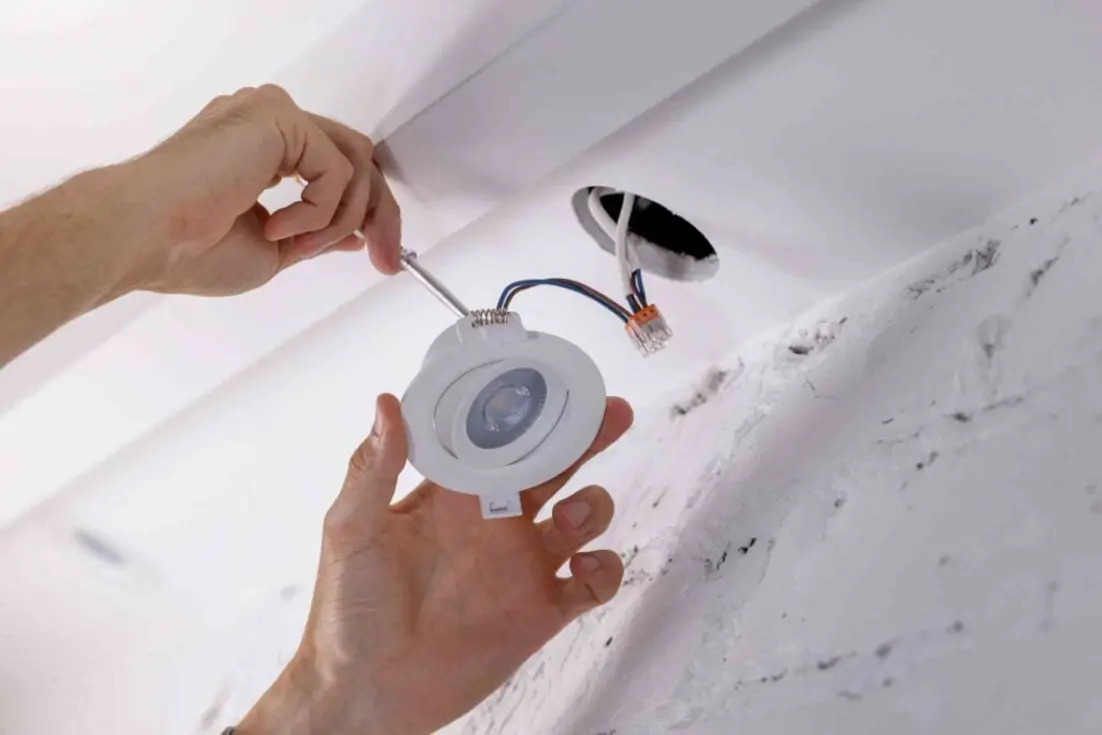
The fixture specification has more influence on your future options than many remodel plans acknowledge. A beautiful integrated LED fitting may be difficult or impossible to convert later. If its driver fails, its light quality proves uncomfortable, or its module becomes obsolete, the entire fixture may need replacement.
For rooms where you want non-LED flexibility, look for these features:
Standard replaceable lamp bases
A medium screw base is common in table lamps, sconces, pendants, and some ceiling fixtures. Candelabra screw bases are common in chandeliers and decorative sconces. Pin-base lamps are more common in specialty halogen and fluorescent fittings.
Choose a fixture whose lamp base matches a source you can realistically obtain. Also check the fixture’s stated maximum wattage, bulb-shape limits, enclosed-fixture restrictions, and dimmer compatibility.
Accessible lamp changes
Avoid fixtures that require extensive disassembly to reach the lamp. A replaceable-bulb fixture is only flexible if you can safely change the bulb without removing fragile trim, balancing on unsafe furniture, or handling a hot lamp in a tight enclosure.
Shades, diffusers, and indirect light
For eye comfort, prioritize how the light reaches your eyes. Opaque shades, frosted glass, indirect uplight, and wall-washing arrangements can reduce glare from a bright filament or compact halogen capsule.
A fixture with a visible bare lamp may look attractive but can be uncomfortable at seated eye level. Use exposed bulbs selectively, particularly around dining tables, beds, desks, and living-room seating.
Separate layers and controls
Do not rely on one bright central fixture to light every activity. A non-LED plan is more manageable when it includes separate ambient, task, and accent layers:
- Ambient light: shaded ceiling fixtures, indirect cove lighting designed for the appropriate source, or several lamps around the room.
- Task light: reading lamps, desk lamps, vanity lighting, and directed kitchen work light.
- Accent light: picture lights, shelf lights, and focused track or recessed lighting.
Separate switches and dimmers let you use only the light needed for the moment. This can be more valuable for comfort than increasing total wattage.
For more on retaining serviceability in a remodel, see our guide to integrated LED vs. replaceable-bulb fixtures.
Dimming: match the lamp, fixture, and control
Incandescent and most compatible halogen lamps are usually the least complicated dimming combination. Use a dimmer specifically intended for incandescent or halogen loads, and follow the dimmer and fixture instructions.
Do not assume an existing wall dimmer is suitable just because a lamp turns on. A poorly matched control can cause unstable output, buzzing, limited dimming range, or premature lamp failure. If you retain a dimmer from an LED installation, verify its compatibility before connecting incandescent or halogen loads.
Fluorescent dimming needs a fixture and ballast designed for it. A standard wall dimmer should not be used with a fluorescent fixture unless the manufacturer specifically states that the complete system is compatible.
Any changes inside switch boxes or to fixed wiring should be handled by a qualified electrician. Local rules can also affect what is permitted in bathrooms, outdoors, and other damp or wet locations.
A practical room-by-room approach
Living rooms and bedrooms
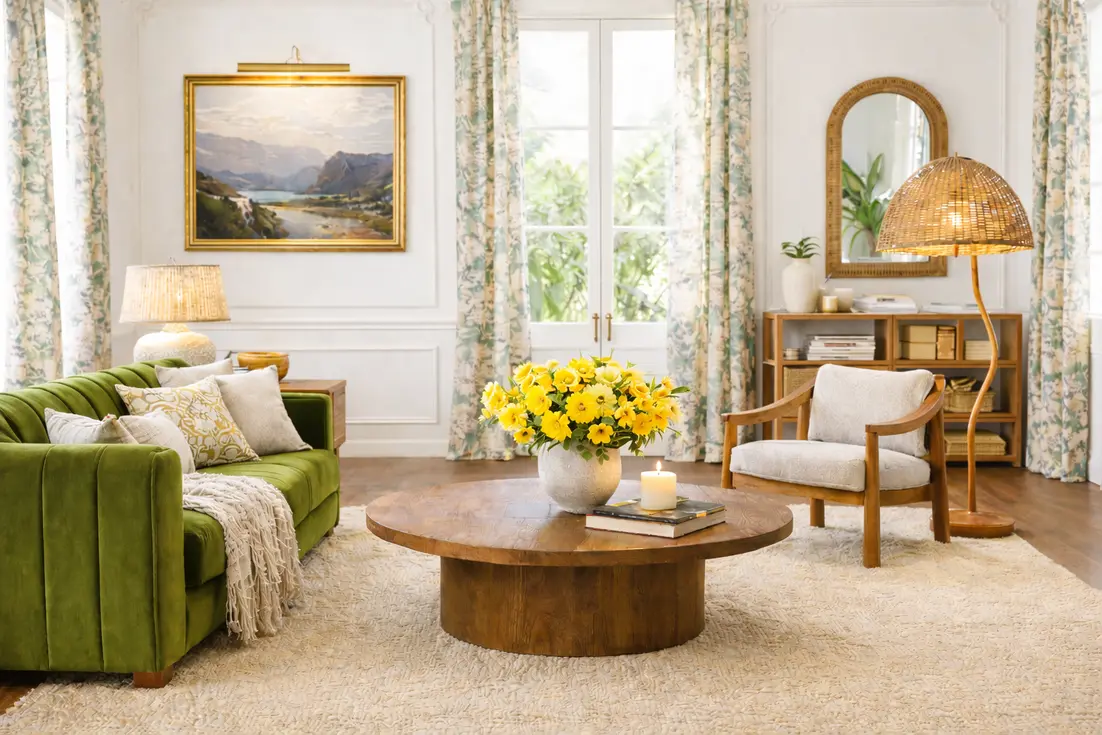
These rooms are the easiest places to avoid LEDs. Use plug-in table and floor lamps with incandescent or halogen lamps where available, paired with shaded sconces or replaceable-bulb ceiling fixtures. Warm, low-positioned light and dimmable layers are often more comfortable than a bright central ceiling source.
Dining rooms
A pendant or chandelier with replaceable lamps offers flexibility. Choose shades or diffusers that prevent direct views of bright filaments from seated positions. Put the fixture on a compatible dimmer if you want lower light for meals and conversation.
Kitchens
Kitchens are more difficult because they need strong task light on work surfaces. A remodel can still avoid integrated LED fixtures by using replaceable-lamp pendants, ceiling fixtures, and carefully aimed halogen task lights where heat and fixture ratings allow. Plan the layout to avoid shadows from your body at the counter.
Under-cabinet lighting is the hardest category to keep non-LED because compact fluorescent and halogen options are limited, bulky, or hot. Consider whether you need built-in under-cabinet lighting at all, or whether ceiling and pendant layers can provide sufficient work-surface light. If you do use a non-LED under-cabinet system, make sure the fixture, transformer if present, lamp type, and access for relamping are all specified together.
Bathrooms
Use enclosed or appropriately rated replaceable-lamp fixtures where allowed, and favor diffuse light around the mirror rather than a single harsh source above it. Bathroom location and fixture suitability involve electrical safety requirements that vary by jurisdiction. Confirm the current requirements with your electrician before selecting fixtures or lamps.
Garages, workshops, and utility rooms
Linear fluorescent may remain a practical non-LED choice if you find a fixture whose ballast does not bother you. Test one fixture before committing to several. In a workshop, place light to the sides of work surfaces to reduce hand and body shadows.
Common mistakes to avoid
- Specifying integrated LED fixtures by default. Ask whether a replaceable-lamp version is available before approving decorative fixtures, recessed lights, sconces, and pendants.
- Assuming all incandescent lamps are easy to replace later. Confirm the exact base, shape, wattage limit, and local lamp availability.
- Using halogen without planning for heat. Halogen needs clearance, suitable materials, and a fixture rated for the lamp’s heat output.
- Treating brightness as the only issue. Glare control, fixture position, shade design, and dimming often matter as much as the lamp type.
- Installing fluorescent fixtures without trying them first. The ballast can make a major difference to visual comfort.
- Hardwiring a niche system without replacement access. Keep lamps, drivers, transformers, and connections serviceable where possible.
The most durable non-LED remodel strategy
For most homeowners who are uncomfortable with LEDs, the durable plan is a mix of replaceable-lamp fixtures, incandescent or halogen lamps in the rooms where they are tolerable and available, and carefully layered lighting that avoids direct glare. Use fluorescent only where its broad light and efficiency clearly outweigh its drawbacks, usually in utility-oriented spaces.
This approach does not eliminate the energy and heat tradeoffs of non-LED lighting. It does, however, preserve choice. Rather than locking the remodel into one integrated technology, you can adjust lamp type, wattage, color appearance, beam direction, and dimming behavior as your needs change.
References
- Lighting Options for Your Home. (n.d.). http://nwenergy.org/wp-content/uploads/2011/06/NEMA-Light-Bulb.pdf
- Home Lighting Ideas to Upgrade Your Home and Life. (n.d.). https://lookforther.realtor/remodel/painting-lighting/switch-on-home-lighting-ideas-to-upgrade-your-home-and-life
- Home Lighting Design Guide Pocket Book. (n.d.). https://natural-resources.canada.ca/energy-efficiency/energy-star/home-lighting-design-guide-pocket-book
- Home Lighting Design Tips That Work in Every Room. (n.d.). https://sweeten.com/ideas-and-inspiration/lighting-design-tips-every-room
- Residential Lighting: A Practical Guide to Beautiful and .... (n.d.). https://www.buildersbook.com/residential-lighting-a-practical-guide-to-beautiful-and-sustainable-design-by-randall-whitehead.html
- Halogen Bulb Ban: What to Use Instead — 1000Bulbs Blog. (n.d.). https://blog.1000bulbs.com/home/halogen-bulb-ban-led-replacements
- Can halogen bulbs be replaced in halogen fixtures without .... (n.d.). https://www.quora.com/Can-halogen-bulbs-be-replaced-in-halogen-fixtures-without-electrical-modifications-Our-48-unit-condo-association-was-quoted-an-expensive-price-to-make-electrical-modifications-to-merely-install-LEDs
- New federal restrictions on lighting products. (n.d.). https://insights.regencysupply.com/new-federal-restrictions-on-lighting-products