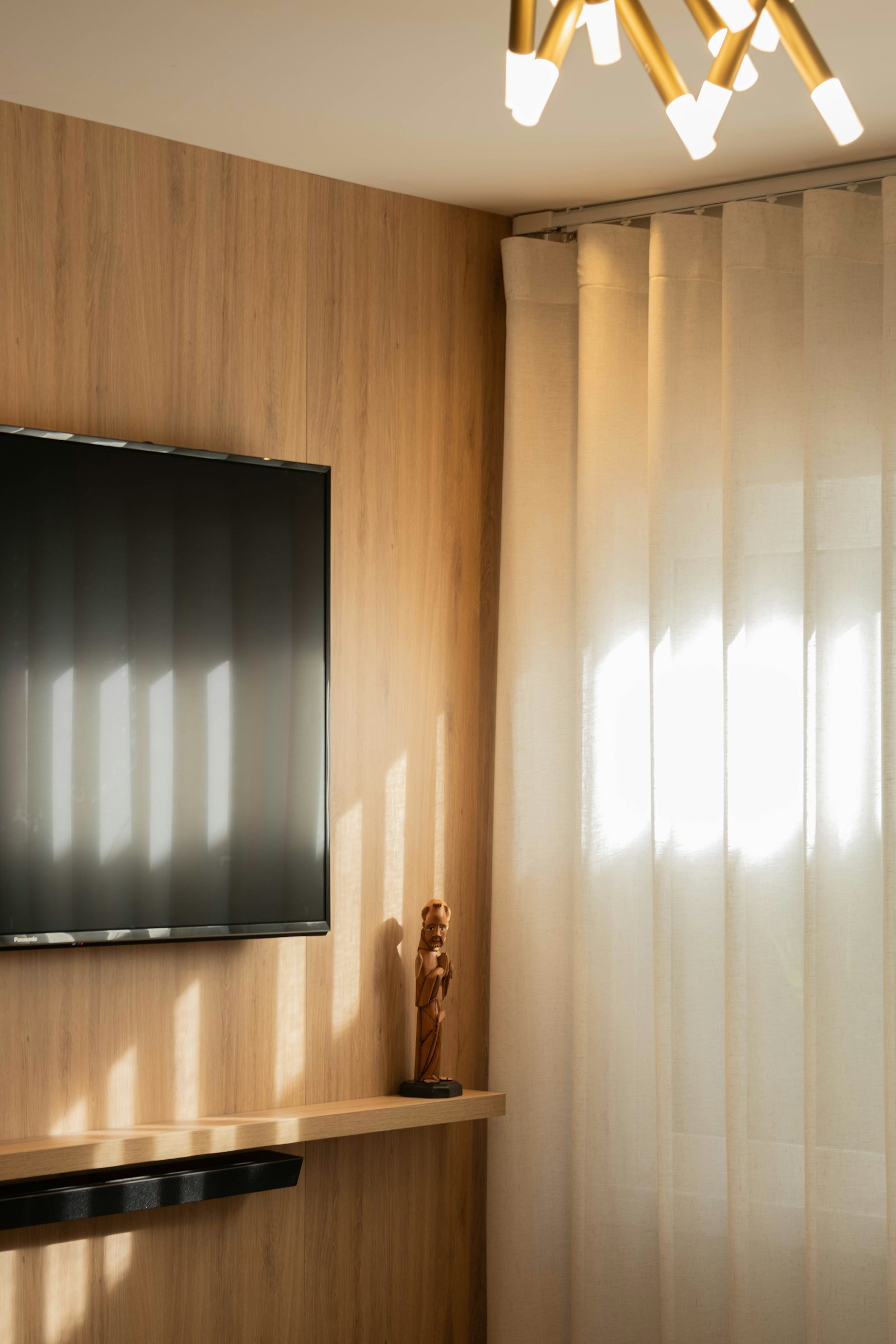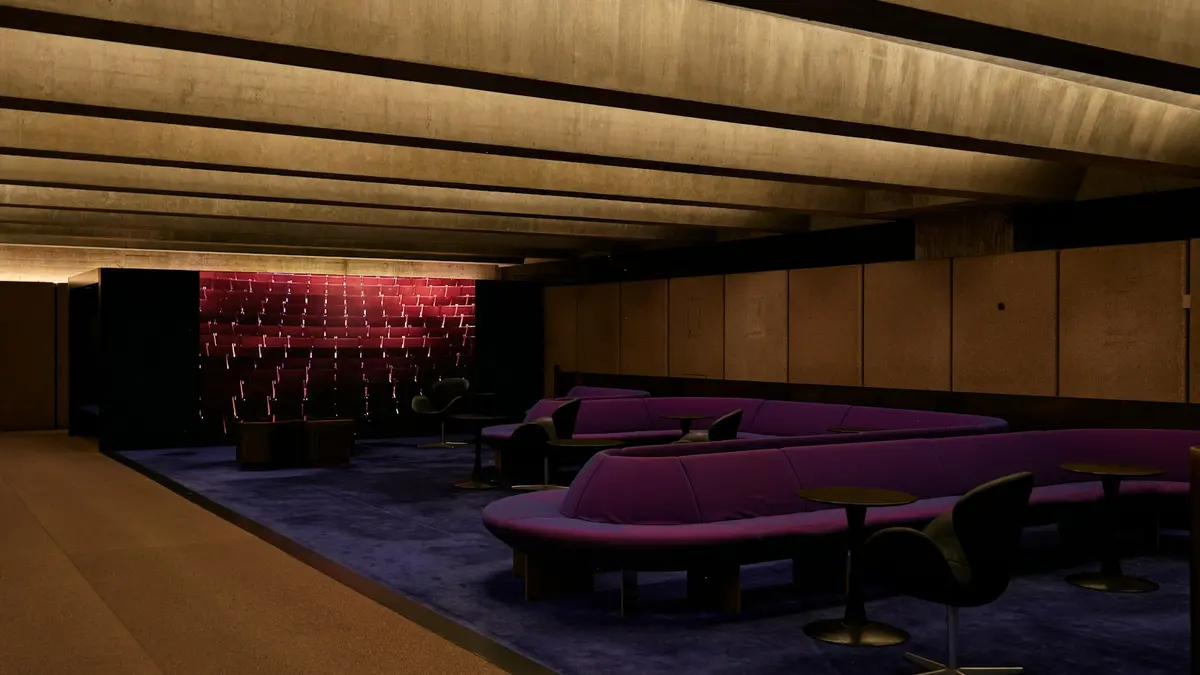
Carpet can look noticeably different from one part of a house to another because both daylight and electric lighting change its apparent color. A mushroom-brown sample that feels balanced in a bright showroom may look cooler, grayer, greener, or darker in an upstairs hall. The reliable way to choose is to bring full-size samples home and view them flat on the floor in every important lighting condition before ordering.
For a small upstairs area, do not judge only whether one carpet is technically darker than another. Judge whether it disappears into shadow, whether its undertones become distracting, and whether its flecks create contrast in low light. A slightly darker carpet can still work well if the hallway has enough wall and ceiling brightness, while a lighter carpet can look unexpectedly dull if its undertone clashes with the lamps used at night.
Why carpet color changes under different lighting
Carpet is not a smooth painted surface. Its pile, texture, fibers, and small color variations catch light in different directions. That makes color perception especially dependent on where you stand, the direction of light, and whether the carpet is in direct daylight or a shaded part of the room.
Several factors work together:
- Daylight changes throughout the day. Morning, afternoon, cloudy conditions, and indirect north-facing light can each make a neutral carpet appear different.
- Light bulb color affects apparent warmth. Warm-white lighting often emphasizes beige, tan, yellow, and red notes. Cooler lighting can make gray, taupe, blue, and green undertones more noticeable.
- Color rendering affects subtle flecks. A lamp with poor color rendering may flatten the carpet's variation or shift how its secondary colors read. Learn more in our guide to <a href="/guides/what-is-cri-in-lighting/">what CRI means in lighting</a>.
- The surrounding room changes your reference point. White trim, warm paint, cool-gray walls, dark wood, and nearby flooring can all make the same carpet seem lighter, darker, warmer, or cooler.
- Pile direction changes reflectance. Vacuum lines, foot traffic, and the direction in which the pile lies can alter the apparent shade across a room.
This is why a tiny sample card is useful for narrowing choices but is not enough for a whole-house flooring decision.
The home testing method for carpet samples
Ask for the largest samples available, preferably cuttings large enough to see the overall blend rather than isolated fibers. If the samples are small, obtain multiples and place them together without gaps. Keep them flat on the floor; holding a sample upright against a wall does not show how carpet will receive light in use.
1. Test samples in the actual upstairs locations
Place each candidate in the spaces that matter most: the upstairs hallway, the stair landing, a bedroom entrance, and the bedroom itself if the same carpet will continue into that room.
Move samples away from the window as well as toward it. The most revealing location is often not the sunny spot but the center of the hall or landing, where daylight is indirect and the electric lights do most of the work after sunset.
If the carpet will run continuously between rooms, put one sample at each transition. A color that feels right in a bright bedroom can become heavy when viewed from a darker hallway.
2. View them at four useful times
Do not make a decision after one quick daytime look. View each sample under these conditions:
| Time or condition | What to look for |
|---|---|
| Morning daylight | Coolness, grayness, or green undertones that may emerge in soft light |
| Bright afternoon daylight | Whether the carpet becomes too yellow, pink, or washed out in stronger light |
| Early evening | How it looks as daylight fades and interior lights begin to dominate |
| Night with normal household lights | Whether the carpet color looks different at night, especially in the hall and on stairs |
Take simple notes rather than relying on memory. Write down what you see: 鈥渞eads green in hall at night,鈥?鈥渓ooks richer beside oak trim,鈥?or 鈥渇lecks too contrasty in bedroom.鈥?The goal is not to find a sample that looks identical in every condition. It is to avoid one that has an unwanted shift in the rooms and times you use most.
3. Use the lights you will actually live with
Turn on every regular fixture in the upstairs area. Include ceiling fixtures, wall sconces, bedside lamps visible from the hall, and any light spilling up the stairs from below.
If you expect to replace bulbs or fixtures soon, test under the intended lighting as well. A carpet choice made under one warm lamp can feel wrong after a switch to cooler LEDs. Color temperature is only one part of the result; rendering quality and the amount of light also matter. For a closer look at why LEDs can look different from photographs and expectations, see <a href="/guides/why-3000k-lighting-looks-different-in-photos/">why 3000K lighting looks different in photos</a>.
Avoid using a phone flashlight as a deciding test. It can be useful for spotting texture, but it does not represent ordinary room lighting.
4. Compare samples beside the fixed finishes that will remain
Bring the samples near elements you are not changing, such as:
- painted walls and baseboards
- stair treads or wood handrails
- bedroom doors and trim
- nearby tile, wood, or vinyl flooring
- upholstered furniture visible from the landing
- bedding or rugs if they strongly influence the room palette
Mushroom brown is often a mixed neutral rather than a single clear color. One version may lean taupe-gray; another may carry olive, gold, mauve, or reddish-brown notes. Those undertones may barely register in isolation yet become obvious beside a cool white wall or warm oak stair trim.
5. Look across the sample, not just straight down at it
Stand at the top and bottom of the stairs, then look through the hall from each bedroom doorway. This approximates the views that shape your first impression of the carpet every day.
Look at the samples from three angles:
- standing directly above them
- walking toward them through the hall
- looking across them from a doorway or stair landing
A carpet with pronounced flecks can look lively up close but visually busy from across a narrow hallway. Conversely, a low-contrast, heathered carpet often hides minor shading changes better across a larger upstairs installation.
6. Test for darkness in the room, not darkness on the sample
A darker mushroom brown does not automatically make a small upstairs area feel too dark. The outcome depends on the proportion of light surfaces and the strength of the room's lighting.
A darker option is more likely to feel heavy when the hallway already has dark walls, limited daylight, low ceilings, dark doors, or a single dim fixture. It may work comfortably when paired with light walls, bright trim, adequate ambient lighting, and a carpet texture that reflects some light rather than absorbing it.
To compare two options, place both samples in the darkest part of the hall at night. Then step back several feet. Ask these practical questions:
- Can you still see the carpet's texture comfortably?
- Does the darker sample make the walls appear dingier by comparison?
- Does the lighter sample look cleaner, or merely cooler and more washed out?
- Which sample creates the calmer transition between bedrooms and stairs?
- Will the darkest nighttime appearance still feel acceptable in winter or on overcast days?
If the darker sample only looks appealing in strong daylight, it may not be the safer choice for a circulation space used in the evening.
How to read undertones and flecks under LED lighting
When carpet undertones under LED lighting are difficult to identify, isolate the samples from competing colors. Lay each one beside a plain white sheet of paper or a neutral board, then view it under the same fixture. This can make a green, pink, yellow, or gray cast easier to notice.
Next, look for the secondary fiber colors. A mushroom-brown carpet might include charcoal, cream, beige, tan, or muted black flecks. Under warm lighting, cream and tan flecks may become more apparent, making the carpet read warmer overall. Under cooler lighting, gray and charcoal fibers may dominate, making it look more taupe or gray.
Do not assume that 鈥渘eutral鈥?means colorless. A useful neutral is one whose undertone works with the permanent finishes in the house and remains acceptable under your normal nighttime lighting.
Common mistakes when choosing upstairs carpet color
Choosing under showroom lighting alone
Showrooms commonly have brighter, more even lighting than a landing or bedroom hallway. A carpet that seems light enough there may look substantially deeper at home.
Judging a sample only beside a window
Window light can make almost any carpet appear more open and detailed. Test away from the window, especially in the area where the carpet will receive the least daylight.
Looking at samples on a vertical display
A vertically displayed carpet sample reflects light differently from installed flooring. Always evaluate it horizontally on the floor.
Ignoring nighttime use
Many homeowners first notice an unwanted undertone after dark, when ceiling fixtures and lamps are the only light sources. If you are deciding between close colors, evening testing should carry significant weight.
Comparing samples on different floors
The existing floor around a sample affects its apparent color. Put competing options side by side in the same location so the comparison is fair.
Ordering from photos
Online images are useful for narrowing a style, but screen settings, photography, editing, and unknown lighting make them unreliable for final color decisions. The same caution applies to room visualizers and AI renderings; see <a href="/guides/ai-interior-render-lighting-accuracy/">how accurate AI interior lighting renderings can be</a> before treating one as a color prediction.
A simple decision rule for close carpet choices
When two mushroom-brown samples are both workable, choose the one that looks consistently acceptable in the darkest and most frequently used condition, not necessarily the one that looks best in ideal daylight.
For a small upstairs hall, that often means prioritizing a carpet with moderate lightness, restrained contrast, and an undertone that remains calm under your evening lighting. A slightly lighter option can help preserve separation between floor, walls, and doors. But if it turns noticeably cool or green at night, the darker option may be the better long-term fit.
Before placing the order, leave the leading sample in place for at least one ordinary day and evening. Walk past it with lights on and off, view it from the stairs, and compare it with the adjacent bedroom. That last real-world check is usually more useful than another round of screen comparisons or showroom visits.